30 years of covers, vats, and custom canvas: the Minurphy story
From a KZN factory to SA-wide deliveries. How an independent cover manufacturer has been stitching, welding, and cutting for 30 years.
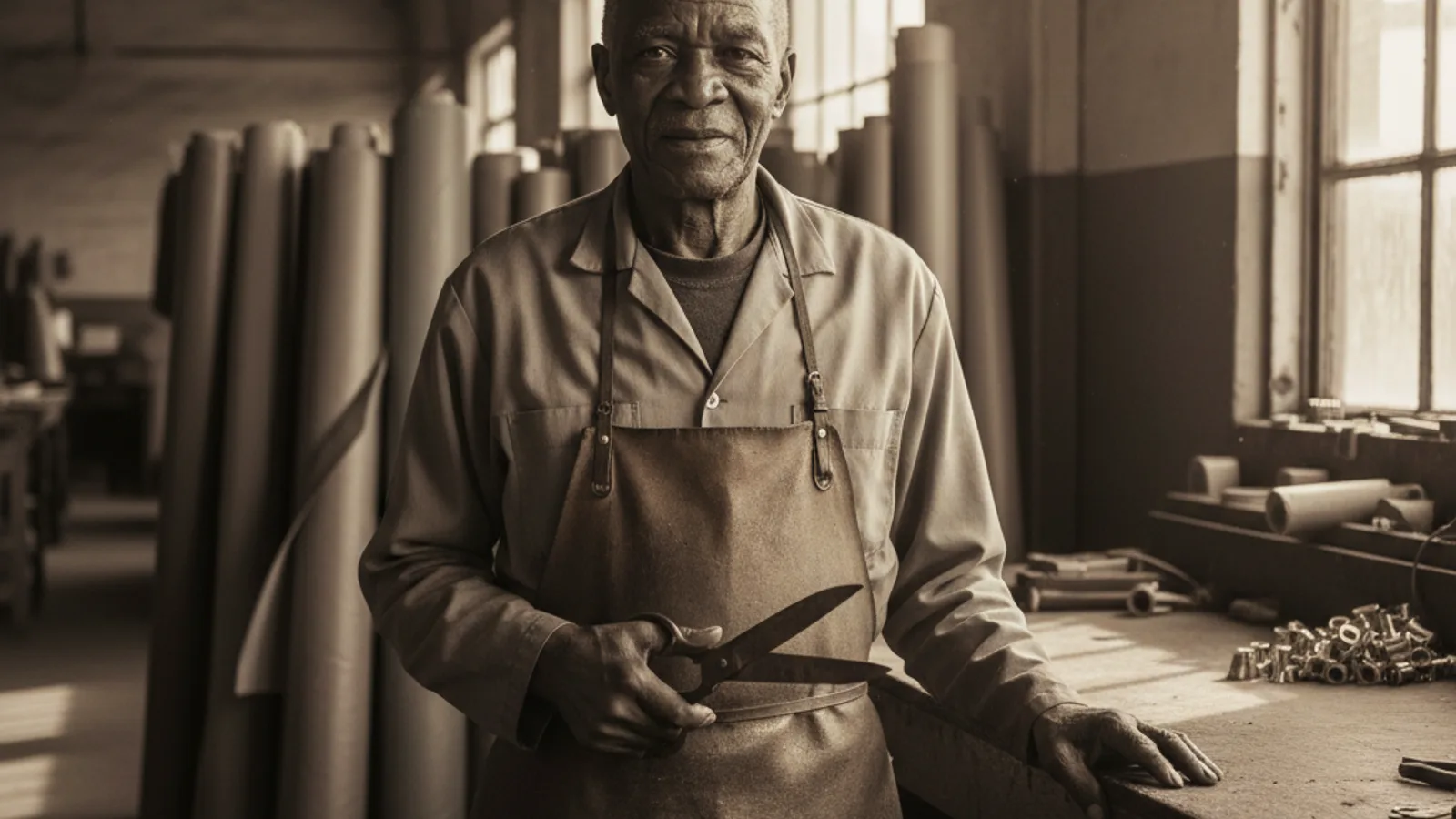
Minurphy started in 1994 in a small workshop in KZN with one industrial sewing machine and an RF welder that was older than half the staff. Thirty years later the factory is bigger, the welders are newer, and the people on the floor still recognise most of our regulars by voice when they phone in.
This is the short version of how we got here, why the work still looks the same, and how we think about the next decade.
1994 to 2005: the word-of-mouth years
The first customers were KZN farmers needing haystack covers and transporters who had burned through too many imported tarps. Both groups talked to each other. By 2000 we had outgrown the first workshop twice.
What we learned in those years still holds. Farmers and transporters do not care about marketing. They care whether the cover lasts three summers instead of one. That meant heavier materials, welded seams instead of stitched, and brass eyelets spaced tighter than the imports.
A lot of our current factory standards come out of that period. 800 gsm PVC as the baseline for industrial work, canvas treated for rot and mildew as the baseline for vehicle covers, and the in-house ability to repair anything we made if something ever went wrong.
2005 to 2018: industry and aquaculture
Somewhere in the mid-2000s we picked up our first mining contract. Then construction. Then, unexpectedly, KOI breeders. Our welded PVC vats became a whole product line when a breeder in Hillcrest asked if we could build something that did not poison his fish and did not leak in transit. We could. That first vat was in service for nine years.
By 2015 we were delivering nationwide. A tarp made in Durban might end up on a mine in Mpumalanga, a bakery in the Free State, or a boat in the Eastern Cape. SABS documentation, spec sheets for tender submissions, and a supplier history with actual receipts all became standard parts of the job.
2018 to 2026: custom everything
The biggest shift in the last seven years is that less of what we make fits a catalogue. A tractor seat cover with a zip flap. A drop-down clear PVC blind for a patio restaurant. A conveyor belt cover for a cement plant. Customers send photos, voice notes, sometimes a sketch on the back of a delivery slip. We build to whatever is there.
Our custom manufacturing line now accounts for about half the factory output. No minimum order, 3 to 10 working days depending on scope, and on-site measuring anywhere in greater Durban.
What has not changed
The same two owners still sign off every order. The RF welders look different but do the same job. We still cut to measure, never to catalogue. We still back every piece with in-house repair and a phone number that a human answers.
The next ten years
More WhatsApp, less email. More food industry work, more renewable energy covers, more boat and 4x4 fit-outs. The same factory floor, a bit bigger, but the same approach. Send us what you need, we build it.
If you want to chat about a job, hit the WhatsApp button at the bottom of the page or browse the full tarpaulin range.
Frequently asked
Since 1994, so just over thirty years. The business started word of mouth in KZN, moved into industrial and aquaculture work from 2005, and now runs fully custom manufacturing across covers, koi vats, blinds, thermal partitions, and pet beds.